

What causes signs of
aging in skin and how can it be managed?
First signs of aging in skin – what are they and how can they be managed?
Skin aging is inevitable over time, but the extent of the signs of aging depends on both biological and environmental factors—some of which can be controlled and some that can’t1. Read on to learn more about signs of aging in skin, what causes them, how to manage them, and how to help prevent signs of premature aging in the skin.

Skin aging is the natural process that the skin undergoes as it ages, gradually losing elasticity and firmness. Common signs of skin aging include wrinkles, dark spots, and crepey skin. Other signs include thinner skin, and an increased tendency to bruise1.
Skin aging affects the entire body, especially areas where the skin is exposed to the sun such as the face, neck, shoulders, and arms2. Due to elasticity loss and repeated creases in the skin, early signs of skin aging like wrinkles commonly start showing on the face at the corners of the eyes as crow’s feet, or the corners of the mouth as nasolabial folds, also known as laugh lines3.
What causes signs of aging in the skin?
Skin aging symptoms are caused by an assortment of both intrinsic (innate) and extrinsic (environmental) factors.

Intrinsic factors are contributing factors that are inherent, such as genetic predisposition. Other intrinsic factors contributing to signs of skin aging include:
- Reduced skin firmness
Collagen helps provide support and strength to your skin. In aging skin, collagen production decreases and existing collagen in the skin breaks down more quickly4, causing skin to lose some of its firmness which contributes to fine lines and wrinkles.
- Reduced skin elasticity
Elastin is a protein responsible for helping your skin to maintain its elasticity and ability to ‘bounce back’ from being stretched. As with collagen, elastin decreases in the skin as we age, contributing to the formation of fine lines and wrinkles5.
- Age-related dry skin
The skin’s sebaceous glands produce less sebum (oil) as we age, which can lead to dryness and itchiness from dry skin1. Dry skin can also contribute to the appearance of more temporary fine lines and wrinkles due to dehydration6.
Extrinsic factors are those that originate from outside the body. They can amplify and contribute to signs of skin aging, particularly premature signs of skin aging from the sun known as photoaging. Some extrinsic factors contributing to signs of aging in the skin include:
- Excessive sun exposure:
Sunlight is the number one cause of skin aging. The sun’s harmful UV rays contribute to photoaging by causing damage to the skin that can affect its elasticity and firmness, leading to the formation of wrinkles7. Photoaging can also cause sun-induced dark spots on the skin which are sometimes referred to as age spots because they tend to show up more prevalently after age 508.
- Pollution:
Free radicals in the air can damage the skin, weakening the skin barrier and reducing skin hydration9.
- Smoking
Smoking can affect collagen production in the skin, contributing to premature development of fine lines and wrinkles3. Smoking can also lead to wrinkles around the mouth over time from repeatedly pursing the lips to smoke.

When does the skin start to show signs of aging?
Depending on someone’s genetics, lifestyle choices, and environment, the age of onset for signs of skin aging varies.
Since production of collagen begins to decrease from the early twenties onwards, some people start seeing fine lines and wrinkles as early as their mid-twenties, while others may not notice visible signs of skin aging until their 30s or beyond3.
Does oily skin age better?
When it comes to skin aging, oily skin may look more youthful than dry skin in certain areas due to having a higher concentration of sebaceous glands which can give it a more ‘plumped’ appearance. However, this is not universal for all areas of the skin, and sun exposure is considered a primary factor in early skin aging regardless of skin type, accounting for a majority of the visible skin changes.
Can you prevent or delay signs of aging in the skin?
While it isn’t possible to completely prevent all signs of aging, there are some measures you can take to help prevent , premature aging of the skin. Here are 5 ways to help avoid premature skin aging:
- Wear sun protection
Since UV radiation is a leading cause of premature skin aging, one of the easiest ways to limit this effect is to take proper sun protection measures, such as applying (and reapplying as directed) a broad-spectrum sunscreen of SPF 30 or higher to exposed areas of skin every day, wearing protective clothing, and avoiding sun exposure during peak hours of the day.
- Don’t smoke, or quit if you already smoke
Smoking is another risk factor for wrinkles and premature skin aging. By avoiding smoking, you can help avoid the signs of premature aging that smoking can cause10.
- Adopt a healthy diet and exercise routine
Being well-nourished is important for overall health, including skin health, and studies have shown that certain types of regular cardiovascular exercise can also help support skin health11. Consuming certain substances like alcohol can have a negative impact on the skin over time12, so be sure to consult with a doctor about what diet, exercise, and lifestyle choices are healthiest for you.
- Hydrate!
Just as keeping skin hydrated is important on the outside, be sure to drink enough water to help keep your skin hydrated from the inside out. When the body is dehydrated, this can show on the skin in the form of temporary dehydration lines13.
- Get a good night’s sleep
The body works to repair and restore its tissues during sleep, and this includes the skin. Studies have shown that chronic poor sleep is associated with an increase in signs of intrinsic skin aging including compromised skin barrier function, so getting plenty of restful sleep is important to supporting the skin and helping to avoid signs of premature aging14.
- Use skincare products formulated to manage early signs of aging
Keeping skin hydrated and using skincare products specially formulated to help address the look of signs of skin aging like wrinkles, fine lines, and dark spots can help to support a more youthful-looking complexion.
Skincare products to help visibly reduce signs of aging in the skin
Is it possible to reverse signs of aging or completely eliminate all signs of aging in the skin? Unfortunately, the answer is no. But there are some ways to help reduce the appearance of skin aging signs like fine lines, wrinkles, and sun-induced dark spots with your skincare routine.
NIVEA offers several skincare products that can help to reduce the appearance of signs of skin aging while leaving your skin feeling smooth and hydrated.
Helping support visibly firmer skin with NIVEA Q10
Coenzyme Q10 is an essential natural antioxidant that helps fight free radicals. Skin naturally produces its own Q10, however these levels dwindle with time. Skincare products containing Q10 may help to smooth and firm skin and reduce the appearance of fine lines and wrinkles.
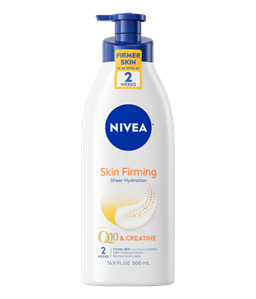
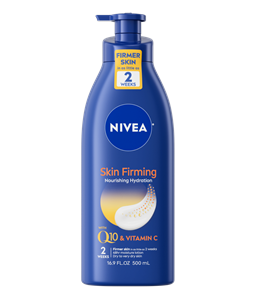
NIVEA’s skin-firming Q10 range formulated with Q10 helps support skin elasticity while delivering moisture, for firmer skin in as little as 2 weeks with twice daily regular use.
NIVEA Skin Firming products
with Q10 for firmer-looking skin
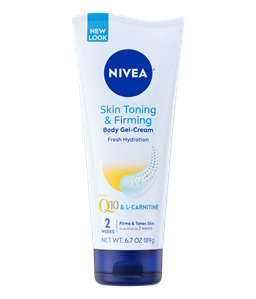
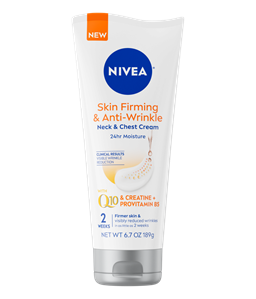
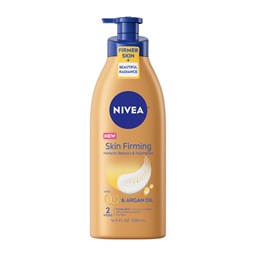
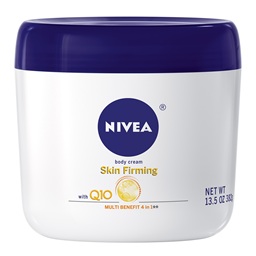
NIVEA MEN’s Age Defense line addresses the unique needs of men’s skin for youngerlooking skin
After cleansing the skin, apply NIVEA MEN Age Defense Advanced Serum to visibly reduce the look of dark spots and visibly even out skin tone appearance. This lightweight and fast-absorbing serum formulated with Thiamidol® and Hyaluronic Acid is specially crafted for men’s skin, providing 24hr moisture to the skin and visibly reducing the look of dark spots and wrinkles with regular use.

For daily moisture with the added benefit of sun protection, apply NIVEA MEN Age Defense Daily Face Moisturizer SPF30. This daytime moisturizer contains a beard friendly formula with sunscreen that helps defend against harmful UVA & UVB rays* and it also helps to visibly reduce the look of fine lines and wrinkles with regular use. Broad Spectrum SPF30 Sunscreen helps protect skin from early signs of aging caused by the sun, and its light, non-greasy formula provides 24hr moisture to help protect skin from drying out.
*for sun protection, use as directed
For crow’s feet and wrinkles around the eyes, apply NIVEA MEN Age Defense Eye Cream. This moisturizing eye cream delivers 24-hour hydration and reduced look of under eye puffiness while helping to reduce the look of crow’s feet and dark circles under the eyes with regular use. Perfect for daily use, this eye cream is specially formulated for men with sensitive skin, leaving skin looking younger.
Aging gracefully with NIVEA skincare
Skin aging is a natural part of life, but through a combination of sun protection, mindful lifestyle choices, and supportive skin care, younger-looking skin can be within reach . Explore NIVEA Skin Firming products with Q10 and NIVEA MEN Age Defense products to help address early signs of aging like fine lines and wrinkles and enjoy hydrated, healthy-looking skin.