Help for Chest Wrinkles & Skin on Décolletage
What causes chest wrinkles?
As with other areas of the body, the skin on the chest can start to show wrinkles as we age. Wrinkles are a completely natural and harmless sign of aging, but there are some other factors that can contribute to wrinkles forming on the chest, some of which are preventable. Here are some of the most common causes of chest wrinkles:

Photoaging from sun exposure
Prolonged, cumulative sun exposure is the leading cause of premature aging in the skin known as photoaging. Exposure to the sun’s harmful UV rays causes damage to the skin that negatively affects collagen and elastin, substances that impact skin elasticity and firmness, leading to fine lines and wrinkles1.
The natural aging process
As we age, our body naturally produces less collagen and elastin, and our skin naturally loses moisture2. This combination of moisture loss and reduced skin elasticity and firmness leads to wrinkles4.
Genetics
Also known as an intrinsic factor, a person’s genetics plays a role in their skin type and propensity for developing wrinkles2.
Other environmental stressors
Other external factors like pollution and exposure to environmental toxins can impact aging in the skin2.
Lifestyle choices
Lifestyle factors like stress, smoking, and unbalanced nutrition can all negatively impact our skin and cause signs of premature skin aging2.
Dehydration
When skin gets dehydrated, it can temporarily exacerbate the appearance of fine lines and wrinkles3.
Gravity and compression
Wrinkles in the skin can be caused by repeated folds in the skin as well as the effects of gravity over time. Chest wrinkles can be caused and made more prominent by strain on the skin caused by arm movement, the compression and folding of the skin during side-sleeping, and the gravitational strain from having breasts5.
Significant weight loss
If skin has been stretched over more volume and you lose a large amount of fat, it may not fully shrink down to your new size. This can leave skin with wrinkles from having been stretched over a larger surface6.

How to reduce the appearance of chest wrinkles
If you are noticing wrinkles on your chest and décolletage, you can help reduce their appearance with a proper skincare routine and products formulated to help promote firmer skin.

Using a skin-firming moisturizing cream specially formulated for use on the chest can help reduce the appearance of wrinkles on the décolletage area.
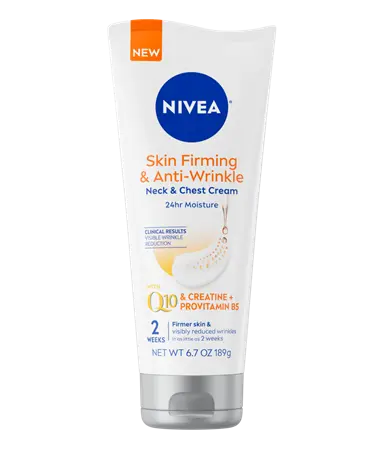
NIVEA Skin Firming & Anti-Wrinkle Neck & Chest Cream is clinically shown to improve the appearance of fine lines and wrinkles on the delicate skin of the neck and chest in as little 2 weeks with regular use. Enriched with Coenzyme Q10, Creatine, Squalane, and Provitamin B5, this clinically-graded cream is uniquely created for use on the chest and neck and delivers 24-hour moisture while improving skin elasticity.
Can you prevent chest wrinkles?
Practice proper daily sun protection
The easiest and most effective way to help prevent unnecessary chest wrinkles is by protecting your skin from the sun. Sun damage is responsible for up to 90% of visible changes to the skin, according to the Skin Cancer Foundation. To help prevent sun-related chest wrinkles, take the following sun protection measures each day (even on overcast days):
- Apply broad-spectrum sunscreen with an SPF of at least 30 to all areas of exposed skin, reapplying regularly as directed.
- Avoid sun exposure during peak hours of the day.
- When outdoors, seek shade when possible.
- Wear protective clothing such as long pants, long sleeves, a hat, and sunglasses.
Stay hydrated
Just as keeping skin moisturized on the outside is important for helping skin to look and feel supple, it's also important to keep your body hydrated to help prevent dehydration-related wrinkles3.
Don't smoke
Smoking has been shown to cause damage to the skin that affects its elasticity, so by avoiding smoking, you can help avoid unnecessary premature wrinkles8.
Be gentle on your skin
The skin on the chest and décolletage area is delicate and requires special care. When cleansing your skin, avoid aggressive scrubbing or using harsh exfoliants, as scrubbing can cause skin irritation and contribute to accelerated skin aging9.

Managing chest wrinkles and supporting firmer skin with NIVEA Q10

Chest wrinkles are a harmless part of aging, but they can cause self-consciousness, particularly if they're showing up prematurely due to sun exposure or other factors. With the right skincare routine, you can help support firmer skin and visually reduce the appearance of chest wrinkles, and NIVEA's skin firming product line with Q10 may help get you there.
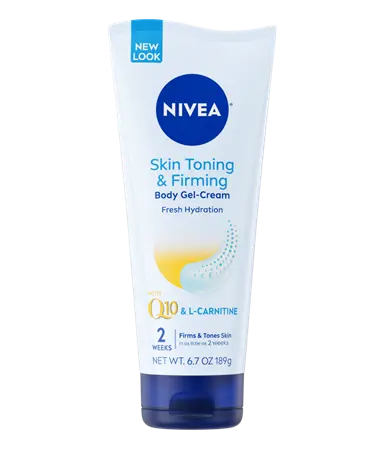
NIVEA's innovative skin firming and toning products with Q10 are specially formulated to help visibly reduce the appearance of wrinkles and support skin elasticity while delivering moisture with regular use.
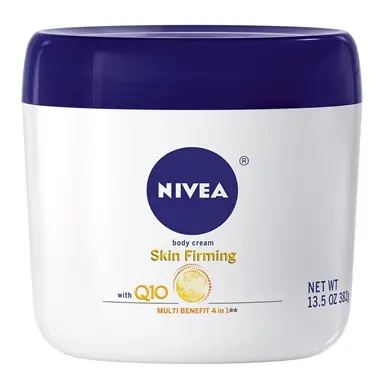
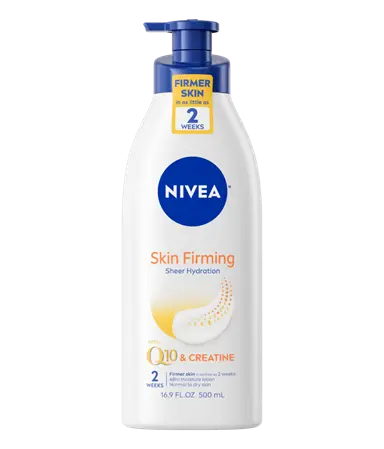
In addition to the NIVEA Skin Firming & Anti-Wrinkle Neck & Chest Cream mentioned above, the product line contains other moisturizing products for all-over body care to support firmer, younger-looking skin, from rich NIVEA Q10 Skin Firming Body Cream with Q10 to NIVEA Skin Firming Sheer Hydration Body Lotion, and more.